

Simple Steps to Get Your Yard Ready Before Work Begins
If you are planning retaining wall repair, the best thing you can do is clear access, protect nearby features, and address drainage before work starts. Preparing your property ahead of time helps the crew work faster, keeps your yard safer, and can prevent added damage. A little prep can save time and stress once repairs begin.
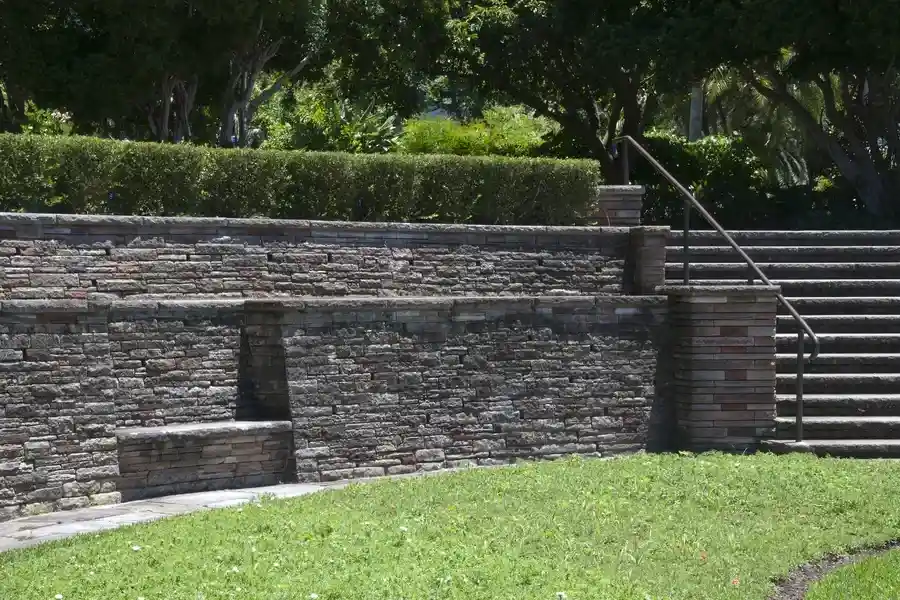
What You Need Before Work Starts
Before any retaining wall repair begins, take a close look at the area around the wall. Think about how workers and equipment will reach it. Some repairs only need hand tools. Others may require small machines or material delivery.
Gather basic supplies if you plan to help with prep:
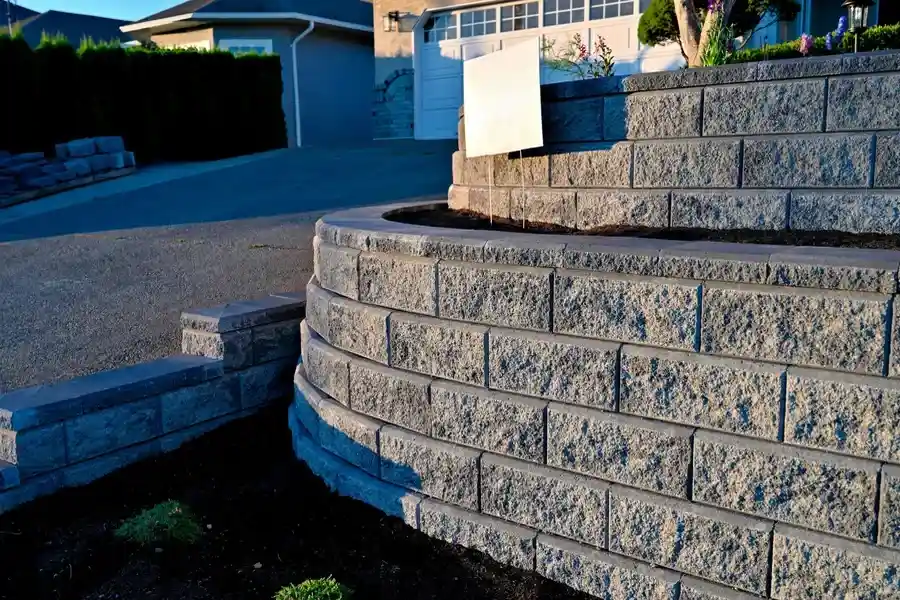
- Work gloves
- Trash bags for debris
- Tarps to cover plants
- Landscape flags or stakes
- Basic yard tools like a shovel or rake
You should also know your property lines. If the wall sits near a fence or neighbor’s yard, clear communication can avoid problems later.
Step-by-Step: How to Prepare the Area
Getting your property ready does not have to be hard. Follow these simple steps to make the process smoother:
- Clear plants and decorations. Remove potted plants, garden lights, furniture, and decor near the wall. This creates safe space to work.
- Trim back shrubs and grass. Cut back bushes and roots that press against the structure. Overgrowth can hide damage.
- Move vehicles from the driveway. If access runs along your driveway, keep it open for trucks or equipment.
- Protect nearby landscaping. Use tarps to cover flower beds or delicate shrubs close to the work zone.
- Check water drainage. Make sure downspouts direct water away from the wall. Standing water can weaken soil during repair.
- Secure pets and children. Repairs may involve digging or removing blocks. Keep the area off-limits.
These steps help the retaining wall repair crew begin work right away without delays.
Common Mistakes to Avoid
Some property owners think preparation is only about cleaning up the yard. That is only part of the job. Here are mistakes that can slow the project or cause damage:
- Leaving irrigation lines buried near the wall without marking them
- Ignoring pooling water at the base of the wall
- Keeping heavy items too close to weakened sections
- Forgetting to check for permits if structural changes are needed
Retaining walls hold back soil and manage pressure. If drainage problems are not fixed, damage can return even after the wall is repaired. Good preparation supports long-term results.
When to Call a Professional
Small cracks or minor shifting may look simple, but not all retaining wall repair is a small task. If the wall is leaning, bowing, or separating in large sections, it may need structural correction.
You should call a professional if you notice:
- Large cracks running horizontally
- Bulging areas in the middle of the wall
- Water flowing through the wall face
- Soil sliding or sinking above the structure
Major repairs often require proper backfill, drainage pipe adjustments, or partial rebuilds. A trained crew can spot soil movement issues and foundation concerns that are not easy to see from the surface.
Final Recommendation and Next Steps
Taking time to prepare your yard before retaining wall repair can protect your landscaping and keep the project on schedule. Clear the space, protect nearby features, and address obvious drainage issues early. If you are in Aurora, IL and planning repairs, our team at Luxury Construction HC LLC can help you plan the process from start to finish. Call us at (630) 592-9003 to schedule an inspection and get clear steps for your specific property.